

AI in Japan’s Healthcare: Revolutionizing Elder Care
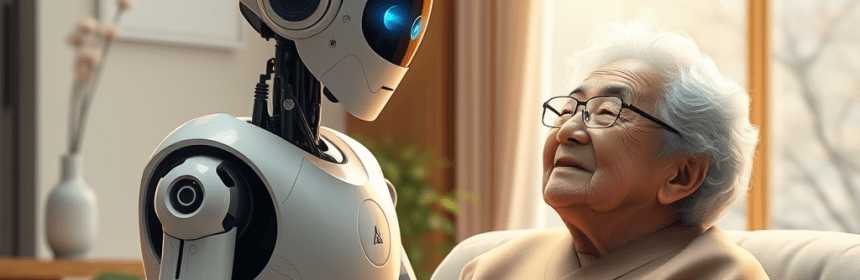
Japan, renowned for its longevity and advanced medical care, is now embracing a new frontier: Artificial Intelligence (AI). The country is dealing with a rapidly aging population and rising healthcare demands. AI is emerging as a transformative force. It is reshaping diagnostics, patient care, and system efficiency.
The Landscape of Japan’s Healthcare System
- Universal Coverage: Every resident is required to enroll in public health insurance, ensuring access to affordable medical services.
- High Life Expectancy: Japan boasts one of the highest life expectancies globally. This is due to preventive care and a strong emphasis on wellness.
- Aging Demographic: Over 28% of the population is aged 65 and above. The system faces increasing pressure to manage chronic diseases. It also has to address elder care.
AI Integration: Where Innovation Meets Compassion
Japan is leveraging AI across multiple dimensions of healthcare:
1. AI-Powered Diagnostics
- AI algorithms assist in detecting diseases like cancer, stroke, and heart conditions with remarkable accuracy.
- Tools like Fujifilm’s AI-based imaging systems help radiologists identify anomalies faster and more reliably.
2. Robotic Care for the Elderly
- Companion robots like Paro the therapeutic seal and Pepper provide emotional support and monitor health indicators.
- AI-driven exoskeletons aid mobility and rehabilitation, reducing caregiver strain.
3. Smart Hospitals & Predictive Analytics
- Hospitals use AI to optimize patient flow, predict emergency admissions, and manage resources.
- Machine learning models forecast outbreaks and guide public health responses—especially vital during pandemics.
4. Telemedicine & Virtual Assistants
- AI chatbots and virtual nurses offer 24/7 support, triaging symptoms and guiding patients to appropriate care.
- Remote monitoring tools track vitals and medication adherence, especially for rural and homebound patients.
Challenges & Ethical Considerations
- Data Privacy: Balancing innovation with Japan’s strict data protection laws.
- Human Touch: Ensuring AI complements—not replaces—empathetic, human-centered care.
- Workforce Adaptation: Training healthcare professionals to collaborate with AI systems effectively.
Looking Ahead: A Harmonious Blend of Tradition and Technology
Japan’s approach to AI in healthcare reflects its cultural values—precision, respect for elders, and a commitment to societal well-being. As AI continues to evolve, Japan is poised to become a global model for tech-enhanced, compassionate healthcare.
 MNL.OP INC