

AI Innovations Transforming Japan’s Healthcare
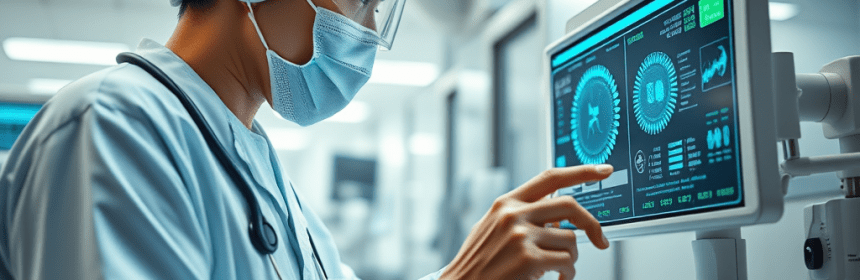
Harnessing AI to Empower Healthcare Workers
Japan’s healthcare sector has become a hotbed for AI-driven innovation. Entrepreneurial physicians are developing tools to accelerate and improve diagnostic accuracy. These solutions range from real-time image analysis in endoscopy. They also include AI-powered influenza detection. The goal is to lighten clinicians’ workloads and elevate patient outcomes. As regulatory frameworks evolve, hospitals across the country are integrating AI into everyday practice. This helps meet the demands of an aging population. It also addresses a shrinking workforce.
Key AI Applications for Healthcare Professionals
- Real-time diagnostic support: AI tools analyze endoscopic images in 0.02 seconds with approximately 94% accuracy for early cancer detection.
- Automated record-keeping: Voice recognition and summarization reduce nurse documentation time by 42.5% and ease psychological burden.
- Remote patient monitoring: IoT wearable combined with AI algorithms alert staff to vital sign changes instantly.
- Personalized medicine: AI-driven genomic profiling accelerates cancer marker identification using liquid biopsies.
These applications collectively free healthcare workers to focus on direct patient care and complex clinical decisions.
Training & Certification Programs
Educational institutions and industry bodies in Japan now offer specialized tracks for healthcare workers to master AI integration:
- AI in Clinical Diagnostics: Hands-on labs with certified SaMD devices.
- Health Data Management: Training on electronic health record automation and interoperability.
- Telehealth & Virtual Care: Best practices for AI-powered remote consultations.
- Ethical & Regulatory Compliance: Navigating PMDA approval and data-privacy laws.
These programs align with Japan’s Society 5.0 vision for a data-driven, human-centered society.
Success Stories
| Hospital | AI Initiative | Outcome |
| Keiju General Hospital | AI-powered discharge summaries | 42.5% reduction in nurse documentation time |
| Yokokura Hospital | Voice transcription & summarization | 33% improvement in patient record efficiency |
| Kyushu University Hospital | Referral letter automation | 54% faster admission summary preparation |
These case studies highlight how AI tools can transform workflows and enhance job satisfaction for healthcare teams.
Why Train in Japan for AI-Integrated Healthcare?
- World-class facilities and early access to cutting-edge AI devices
- Strong government backing and fast-track approval schemes for medical AI
- Multidisciplinary learning with engineers, data scientists, and clinicians
- Pathways to global careers in telemedicine, digital health startups, and research
How to Get Started
- Explore program offerings at participating Japanese universities and technical colleges.
- Complete the online application and submit your healthcare credentials.
- Attend an orientation on AI ethics and data security requirements.
- Begin your specialized coursework and hands-on practicum with hospital partners.
Source: World Economic Forum, Medical Japan, Google Blog, SG Analytics
 MNL.OP INC